Surface water drainage rebate, by water company
A line on almost every water bill pays for rain to be taken off your roof and driveway through the public sewer. If your rainwater goes into a soakaway, a ditch or a stream instead, you are paying for something you do not get. What that line is worth depends entirely on which company happens to serve your street: the 2026-27 charges run from £24.48 to £118.33 a year. This page lists all eleven, with each company's own figure, its own backdating policy and its own route to apply.
By Andrey · Updated August 2026 · 7 min read
What the charge is
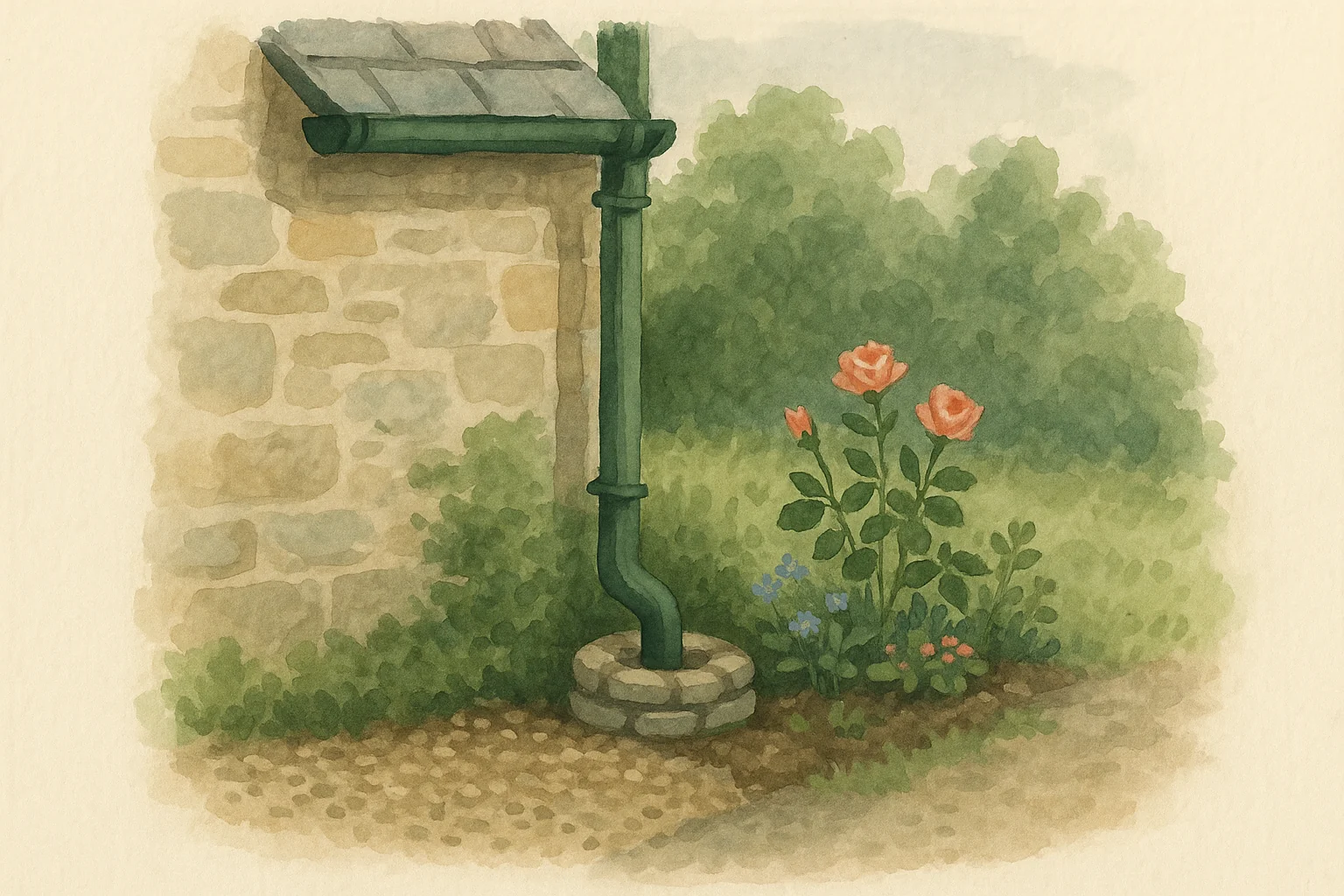
Surface water drainage is the rainwater that runs off the roof and other hard surfaces of your property. In a typical urban home, the gutters lead to a downpipe, the downpipe leads to a drain at ground level, and the drain runs under the garden into the public surface-water sewer. The water company maintains the sewer and bills you for the service.
Water companies are allowed to charge for the sewerage services they provide, and each one sets its own price in an annual charges scheme. On your bill the line is usually called surface water drainage, rainwater drainage, or something close to it.
At a glance
- Charge a year
- £24.48 to £118.33 (2026-27)
- Backdating
- Six years at eight companies, a fixed date at three
- Cost to claim
- Free
- Companies covered
- 11, England and Wales
- Free complaints help
- Consumer Council for Water
- Binding decisions
- Dispute Resolution Ombudsman, since 14 May 2026
What each company charges
Every figure below is read from that company’s own 2026-27 household charges scheme, covering 1 April 2026 to 31 March 2027. Nothing here is an average or an estimate, and no figure has been carried forward from last year.
| Water company | Charge a year | How it is worked out | Your company page |
|---|---|---|---|
| Hafren DyfrdwyBackdates 6 years | Detached house £118.33, Semi-detached house £78.88, Other household premises £39.45 | Banded by property type | Hafren Dyfrdwy rebate |
| United UtilitiesBackdates 6 years | Metered £105.35 a year, unmetered about 26% off the wastewater charge | Capped reduction if metered, a proportion of the bill if not | United Utilities rebate |
| Yorkshire WaterBackdates 6 years | £85.47 a year | Standing charge, Band A for sites up to 500 square metres | Yorkshire rebate |
| Northumbrian WaterBackdates 6 years | £78.70 a year | Difference between the combined and foul-only fixed charges | Northumbrian rebate |
| Severn Trent WaterBackdates 6 years | Detached house £73.44, Semi-detached house £48.96, Other household premises £24.48 | Banded by property type | Severn Trent rebate |
| Dŵr Cymru Welsh WaterBackdates to 1 April 2021 | Metered £45.87 a year, unmetered £70.30 a year | Standing charge, and it covers highway drainage too | Dŵr Cymru rebate |
| Anglian WaterBackdates 6 years | £52.00 a year | Fixed charge, metered and unmetered alike | Anglian rebate |
| Southern WaterBackdates 6 years | £50.00 a year | Fixed charge, unmetered and the smallest meter band | Southern rebate |
| Thames WaterBackdates 6 years | £47.70 a year | Flat rebate, stated directly for metered and unmetered households | Thames rebate |
| South West WaterBackdates to 1 April 2014 | £33.26 a year | Difference between the two sewerage tariffs | South West rebate |
| Wessex WaterBackdates to 1 April 2020 | No published figure. Metered households pay £28.00 a year less with the allowance | No separate charge, only two standing charges to compare | Wessex rebate |
Source: each company’s published household charges scheme for 2026-27, linked in full at the foot of that company’s own page. Scotland and Northern Ireland run separate systems under Scottish Water and NI Water and are not covered here.
The gap between the cheapest and the dearest
The lowest published household figure is £24.48 a year, at Severn Trent Water for its other household premises band. The highest is £118.33 a year, at Hafren Dyfrdwy for a detached house. That is nearly five times the money for the same service.
Comparing like with like closes the gap a little and not much. A detached house pays £73.44 at Severn Trent Water and £118.33 at Hafren Dyfrdwy, and those two companies are in the same group using the same banding structure. A flat-charge household pays £33.26 at South West Water and £85.47 at Yorkshire Water.
That gap decides whether this is worth an afternoon. At the bottom of the table, a successful claim with six years behind it comes to about £147. At the top it is about £710. Nothing about your house changes which end you are at: the only variable is which company inherited your street.
Two companies do not fit the column cleanly, and it is worth knowing why. United Utilities publishes a pound figure for metered homes and works the unmetered reduction out as a share of the wastewater bill instead. Wessex Water publishes no surface water charge at all: it prints two drainage standing charges, one with a rainwater allowance and one without, and the saving is the gap between them. We have not invented a figure for either, because there is not one to report.
Who can claim a rebate
Your home qualifies if rainwater from the roof and driveway does not reach the public surface-water sewer. The most common qualifying setups:
- Soakaway: downpipes run into a buried gravel-filled pit and the water seeps into the ground. Common in rural homes, semi-detached houses with deep gardens, and older Victorian terraces with private yards.
- Private watercourse: drainage runs into a stream, ditch, or pond on your land or your neighbour’s.
- Soak hole or French drain: variations on soakaways using gravel or perforated pipe to absorb water locally.
- No surface-water sewer in your area: rare, but some areas have only a foul sewer and rainwater drains separately.
How to check where your rainwater goes
Three quick checks:
- Walk around the outside: trace the downpipes. Where does each one end? A pipe that runs across the garden into a manhole connects to the sewer. A pipe that stops at ground level near the wall is a soakaway.
- Look at the deeds or property survey: if you have a drainage diagram from when you bought the property, it usually shows whether surface water connects to the public sewer.
- Ask the water company: they hold records of public sewer connections and will confirm whether your property is on file as connected.
How far back the refund goes
There is no rule requiring any company to refund beyond the current charging year. The regulator leaves the length entirely to each company, so what you get back is a policy rather than an entitlement. Ignore any page that tells you flatly that you can claim six years: it is true at most companies and wrong at three.
Eight of the eleven use a rolling six-year window measured from the date you apply, which is why six years is the number people repeat. The other three pin the refund to a fixed calendar date, so it quietly shortens every April while the wording stays the same:
- South West Water, 1 April 2014: the most generous backdating here, worth roughly twelve years and growing.
- Wessex Water, 1 April 2020: worth about six years now, and one less each April.
- Dŵr Cymru Welsh Water, 1 April 2021: worth about five years, the shortest of the eleven.
The one thing the regulator does expect is that a company which already knew, or should have known, that your property was not connected should refund from the point it knew. That is worth quoting back if your company already has your drainage on file and charged you anyway.
How to claim it yourself
Every company runs its own process, and the differences are real: Yorkshire Water wants an accurate plan of your roof and gutters, United Utilities wants a hand-drawn diagram, South West Water has no online form at all and takes this by phone. Your own company page has its exact wording.
- Open your company page from the table above and go to its own rebate route from there.
- Have your account number and the property address to hand, and be ready to describe where the rainwater goes.
- Send whatever that company asks for. A sketch of the drainage path settles more claims than photographs do.
- Ask in writing for the refund to be backdated as well as the charge stopped. Companies sometimes do only the second half.
- Note the date you applied. At most companies the backdating is measured from it.
If your company says no
Run the complaint through both of your company’s own stages first. If that gets nowhere, the Consumer Council for Water will take it up for free. That step gives you a free, independent review rather than a binding ruling, which is a change from how it worked a couple of years ago.
For a decision your company has to follow, the route changed this year. The consumer body was instructed to stop running its own dispute service on 24 April 2026, and on 14 May 2026 the industry appointed the Dispute Resolution Ombudsman in its place. It is free, and it is an interim arrangement until the government sets up a statutory water ombudsman.
The traps people fall into
- Treating a drain in the garden as proof: a drain at ground level might be a soakaway with a grille over it, not a sewer connection. Trace it.
- Mixing up rainwater and foul drainage: even if your property uses the public sewer for the toilet, sink and bath, the rainwater can drain separately. The two are billed separately.
- Paying for a survey before asking: companies check their own records first and several will visit at their own cost. A private survey costs several years of the charge.
- Assuming six years: at three companies the refund is pinned to a fixed date instead, and at one of those it is now five years rather than six.
- Not chasing the backdate: companies sometimes stop the future charge and quietly skip the refund. Ask for both, in writing.
How Untap helps
Talk to Nell, our voice agent. She asks the qualifying questions about where your rainwater goes, points you at your water company’s own form, and gives you a checklist of what to include. We do not file on your behalf and we do not deal with the water company for you.
Every company, one page each
- Anglian Water surface water drainage rebate
- Northumbrian Water surface water drainage rebate
- Southern Water surface water drainage rebate
- Thames Water surface water drainage rebate
- South West Water surface water drainage rebate
- United Utilities surface water drainage rebate
- Dŵr Cymru Welsh Water surface water drainage rebate
- Severn Trent Water surface water drainage rebate
- Hafren Dyfrdwy surface water drainage rebate
- Wessex Water surface water drainage rebate
- Yorkshire Water surface water drainage rebate
Questions readers ask
How do I know if I have a soakaway?
I rent. Can I claim?
What if I am not sure where the water goes?
How far back can the rebate go?
Will the water company push back?
Does this apply in Scotland or Northern Ireland?
Check whether your bill includes it
The claim is free on your water company’s own form, and we take no percentage of anything you get back.
Keep reading
- Marriage Allowance, explainedUp to £252 a year, four-year backdate, and a free ten-minute form on gov.uk. The eligibility rules in plain English.5 min read
- Council Tax Single Person DiscountA 25% discount when you live alone, plus the lesser-known rule about "disregarded" adults that lets couples qualify too.5 min read
- Council Tax Wrong Band ChallengeHow the 1991 valuation works, the neighbour-comparison method, and the honest risk that the band can go up.8 min read
This guide is general information, not legal or financial advice. Read the scheme's own rules before sending a claim. If a number here looks wrong, tell us and we will correct it: how we handle corrections.